Bedford sits in the Mid-Cities with wind that cuts across the Airport Freeway, hail that batters shingles and TPO, and summer heat that bakes seals until they crack. Roofs here suffer in ways that differ from calmer regions. The signals arrive early if someone knows where to look. A small stain near a can light. Grit piling in a gutter. A seam on a TPO field that lifts under a boot. These are the clues that show a roof is close to failure.
SCR, Inc. General Contractors works across Bedford, Hurst, and Euless with a focus on emergency response and insurance restoration. The team handles residential roofing and the heavier needs of small commercial and medical offices. The company stands out in Tarrant County for a one-stop building envelope approach. That matters after a hailstorm when leaks do not respect the edge between roof, wall, and deck.
Why timing matters in Bedford’s storm cycle
The stretch from March through June brings fast-moving hail and sudden downbursts. A shingle roof or a flat roof that holds water will not wait for better weather. Every storm adds stress. Granule loss exposes asphalt to UV. Wind lifts the edge and pulls nails through the deck. Ponding water weighs on a flat section and pushes moisture into seams. If owners act early, they save the deck, the insulation, and the drywall below. Delay adds cost and time, and often turns a simple repair into a partial replacement.
In Bedford, the common trigger events are hail with one-inch stones, gust fronts out of the west, and day-after-day heat over 95 degrees. Each one aligns with a distinct failure mode that shows up in patterns. Learning those patterns is the key to quick decisions and a clean insurance claim.
Visible signs a sloped roof needs repair
Asphalt shingles dominate neighborhoods from Brook Hollow to Oak Valley and Stonecrest Estates. The systems differ by brand and profile, but the failure signs read the same to a trained eye. Look first at the south and west faces, then at ridge lines and valleys. Check the drip edge along the eaves. Scan the penetrations around vents and exhaust stacks.
Hail damage on shingles shows as crushed granules and dark pock marks the size of a dime or nickel. The bruises feel soft to the touch. Edges will show micro tears. After a few storms, granule loss fills gutters and downspouts. That grit on concrete near the Bedford Public Library parking or a driveway off Harwood Road points to surfacing loss and exposed asphalt. Wind damage appears as lifted tabs, creases near the nail line, or missing shingles along the rake. If sunlight peeks under a tab, water will too.
Flashing failure is a frequent leak source in older homes and small offices. Step flashing at sidewalls and counter flashing at chimneys shrink and pull away in extreme heat. Sealant dries and cracks. Water enters behind the metal and travels down to ceilings. On older Bedford stock, rusted drip edge allows capillary action at the eave that wets the first row of decking. A brown ring on a bedroom ceiling near Central Park is often a downstream symptom of that small gap at the edge.
- Granule piles in gutters after hail near the 76021 zip code
- Creased shingles along the west rake facing Airport Freeway
- Rust streaks at chimney flashing on older brick homes
- Drip edge gaps that wick water into the eave
- Water stains around can lights under a south slope
Flat and low-slope warning signs on small commercial and mixed-use
Bedford has aging commercial corridors where retail suites, medical offices, and small industrial buildings rely on TPO or modified systems. The roofs sit behind parapet walls with coping caps and drain through scuppers. Failures look different here. The top three signs that call for immediate action are ponding water, membrane punctures, and blistering.
Ponding water that remains after 48 hours shows poor drainage or clogged roof scuppers. Standing water adds load and breaks down surfacing. In freeze events, ice expands and stresses seams. Ponding in Bedford’s heat can also incubate algae that further degrades the surface. If the roof sits near Old Bedford School with trees shedding, scupper screens load fast and send water over the parapet.
Membrane punctures form near HVAC access paths. Without walkway pads, a sharp screw or a dropped tool can pierce a TPO membrane. The breach may look minor, but capillary action carries water between plies and into ISO board insulation. Blistering suggests trapped vapor. Blisters expand under sun and rupture in wind. Once ruptured, the seam path opens to the deck.
Flashing failure at parapet walls is another repeat offender. Weak terminations pull loose with thermal expansion and contraction. A missing termination bar or a poor heat-welded corner at a scupper drain will leak during sideways rain. Bedford gusts around SH 183 drive rain into every exposed angle and stress every unsecured edge.
How pros verify hidden moisture before costly work
Guesswork leads to wrong scopes. A credible roofing contractor in Bedford TX runs moisture diagnostics before major repairs or replacement. On TPO or EPDM, the sequence starts with an infrared moisture survey after sunset. The crew uses an infrared moisture meter to find wet insulation that holds heat. Marked grids show where water traveled under the membrane. A core sampler confirms saturation and the type and thickness of the ISO board insulation. These readings inform whether spot repairs will hold or if a section needs a tear-off.
On steep-slope roofs, probing soft decking at eaves and valleys reveals rot. A borescope through a soffit can confirm wet wood without opening a ceiling. In multi-tenant spaces near Texas Health Harris Methodist Hospital HEB, ceiling tiles that stain at grid intersections map directly to suspect flashing at rooftop units and curbs.
What Bedford hail actually does to different roof systems
Hail strikes behave differently on asphalt shingles, TPO membrane, and standing seam metal. On shingles, hail crushes granules and drives them into the asphalt. The bruise weakens the mat and shortens service life. On TPO, hail can cause surface scuffs or fractures around aged welds. UV-brittle seams are prone to micro-cracks after a storm. Metal roofs often dent without leaking, but seams, clips, and fasteners take stress. If a fastener backs out or a seam opens, water follows the path of least resistance along the panel.
SCR, Inc. Technicians document all three systems with drone inspection cameras after a Bedford storm. Photos of impact fields, slopes, and close-ups at penetrations support insurance claim restoration. HAAG Certified Inspectors connect the dots for carriers and write scopes that match real-world damage rather than template allowances.
Repair methods that hold up through North Texas seasons
Durable TPO repairs depend on heat welding rather than adhesives in key zones. SCR, Inc. Uses automated Leister heat welders to fuse TPO seams. Those hot-air welds create a bond that resists ponding and wind uplift better than cold glue patches. At terminations, stainless steel termination bars and proper fastener spacing keep edges seated. Reinforced corner patches at scuppers and inside corners add dimensional strength where wind and water collide.
On flat roofs that hold water due to low spots, a silicone or acrylic roof coating can extend life when the deck is sound and moisture content is low. A coating system needs surface prep with a commercial power washer, seam reinforcement with polyester fabric, and correct mil thickness. Coating over saturated insulation traps water and leads to blistering and delamination. That is why the infrared survey and core cuts come first.
On steep-slope asphalt roofs, targeted repairs include tab replacement with color-matched shingles from manufacturers such as GAF, Owens Corning, and CertainTeed. Flashing rebuilds at chimneys and sidewalls often solve chronic leaks that have lingered for years. Drip edge replacement along the eaves helps stop wicking. Where widespread hail bruising exists, a full roof replacement under an NDL-style warranty cannot apply to shingles, but workmanship warranties still matter. For small commercial and mixed-use buildings, systems from GAF EverGuard, Carlisle SynTec, Firestone Building Products now Elevate, Johns Manville, or Duro-Last deliver tested assembly performance with documented wind and fire ratings.
Bedford-specific risk zones and how to inspect them
Along Airport Freeway, gusts accelerate and pull at leading edges. Buildings that face west take the first hit. Inspect the first three feet from the rake for creased shingles or lifted edges on metal panels. In Brook Hollow and Harwood Terrace, mature trees drop debris that clogs gutters and roof scuppers. Saturated debris locks moisture against fascia and soffit. In Central Park and Oak Valley, older housing stock often shows aging ventilation. Poor attic airflow cooks shingles from below and raises deck temperatures.
Retail centers along Harwood Road and pipeline-adjacent light industrial spaces in 76022 and 76021 often use ballasted or mechanically fastened single-ply. Check fastener rows for back-out, voids around plates, and depressions where ISO board insulation crushed. At parapet walls, scan coping caps for open end joints. A small joint gap becomes a long-term leak when rain moves sideways on a storm out of the southwest.
For properties near Boys Ranch Park, high foot traffic on rooftops is common during seasonal maintenance. Walkway pads protect TPO fields from heel dents and punctures. Without them, even a light tool drop can breach the membrane. On older built-up roofs behind retail facades, blister fields tell a story of trapped moisture. A few isolated blisters can be addressed. A sea of blisters suggests the system is at the end of life.
Insurance restoration in Tarrant County without friction
Carriers pay for storm damage, but they need real data and clear causation. SCR, Inc. Documents damage patterns with time-stamped drone imagery and roof-by-roof condition maps. HAAG Certified Inspectors produce forensic notes that separate age from storm hits. That file supports a clean claim and reduces back and forth with adjusters. In Bedford, accurate wind uplift data and recognized manufacturer assemblies help align scope and code upgrades. Where the deck needs structural repair, a general contractor with bonded and insured status speeds approvals and keeps trades under one roof.
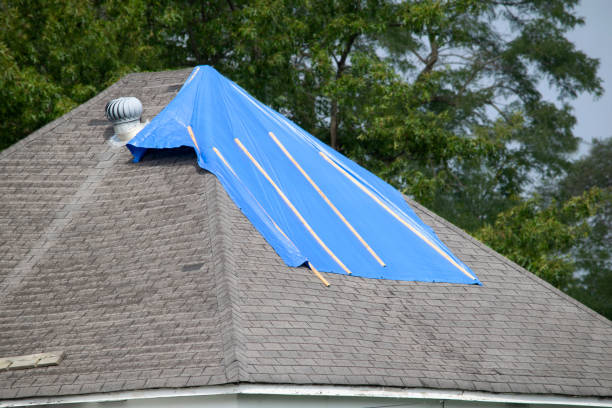
After large hail, SCR, Inc. Often receives calls from landlords along Central Drive and across the HEB area who face new leaks and tenant complaints. The 24/7 emergency dispatch stabilizes the site with temporary dry-in, then transitions to a measured repair or replacement plan. The company’s one-stop approach covers the building envelope, so wall cap repairs and penetrations do not fall through the cracks.
Brands, assemblies, and why certification matters
Manufacturer certification links products to tested assemblies and dependable warranties. In the Bedford heat cycle, that matters. SCR, Inc. Installs commercial systems from GAF EverGuard, Carlisle SynTec, Elevate previously Firestone, Johns Manville, and Duro-Last. Duro-Last offers factory-fabricated details that fit tight rooftop geometries and reflect heat well. GAF EverGuard TPO remains a workhorse for larger fields and pairs with walkway pads and cover boards for durability. Where a white reflective surface helps lower cooling loads in July and August, high-performance cool roof options earn their keep.
For residential and small offices, shingles from GAF, Owens Corning, and CertainTeed provide color range and impact ratings. Impact-rated shingles help in Bedford but do not make a roof hail proof. They reduce damage from smaller storms and protect longer between large events. Fastener schedules, starter strips, and proper hip and ridge components complete the system and make a difference during the first big wind after installation.
The science behind seams, edges, and drainage
Roofs fail first at transitions. At a sloped edge, drip edge metal directs water into gutters and blocks capillary action. If the metal is missing or set shallow, water reverses under shingles. At a parapet, termination bars keep single-ply membranes from peeling. The spacing and anchoring pattern matters. Heat welding of TPO seams with a Leister welder creates a homogenous bond. Done right, the seam is stronger than the sheet. Done wrong, it looks tight but leaks under pressure. Edge metal at coping caps must allow for thermal expansion or the joint will open in summer and rattle in spring wind.
Drainage is geometry. A quarter-inch per foot slope is a common target. Where depressions form, water sits. Ponding accelerates aging and sets up algae growth. Scuppers need clear openings and an overflow path. Clogged scuppers force water to the weakest point along the parapet and into walls. Regular cleaning during leaf drop in Bedford stops most of these events. When slope is off, a tapered insulation plan during restoration fixes the cause rather than the symptom.
Where small clues turn into large repairs
A drip that only shows after a west wind. A faint musty smell near a return vent. Fine cracks in paint at a ceiling line. These are subtle but common Bedford tells. Often the source is a tiny hole in sealant at a pipe jack or a nail back-out under a ridge cap. On commercial roofs, a pinhole at a heat-welded corner or a lifted plate at a fastener row will show only during heavy rain with gusts. Experienced inspectors replicate those loads with a hose and controlled pressure to confirm before opening up the system.
Structural sagging needs fast attention. If a flat roof shows a new low spot after a storm, water weight may have deflected framing. Over time, that becomes a permanent pond. Load calculations guide whether deck reinforcement is required. SCR, Inc. Has replaced sections of roof deck where chronic leaks rotted the substrate in older Bedford buildings. Catching it early saves the insulation, ceiling grid, and electrical runs.
Bedford mapping signals that help schedule service
Locations near Texas Health Harris Methodist Hospital HEB and along Central Drive have more rooftop HVAC traffic and more penetrations. That adds leak risk at curbs and flashing. Properties flanking Harwood Terrace and Stonecrest Estates face tree debris and shade that keeps roofs wet longer after rain. Around Old Bedford School, age and heritage details mean flashing that does not match modern patterns. For businesses along Airport Freeway SH 183, wind exposure spikes uplift forces. Those factors shape inspection cadence and preventive maintenance plans.
SCR, Inc. Runs a 24-hour emergency commercial roofing dispatch for 76021 and 76022. Crews also stage materials for rapid response into 76095 during hail outbreaks. Neighboring Euless, Hurst, Colleyville, Grapevine, North Richland Hills, and Fort Worth round out the response map. That coverage shortens drive time and keeps temporary dry-ins timely when the radar lights up over the Mid-Cities.
Maintenance moves that pay off in Bedford
Two scheduled visits per year catch most problems before they expand. Spring visits clear gutters and scuppers after storms, reseal minor cracks at penetrations, and check for winter movement. Fall visits prep for wind and freeze, inspect covers, and confirm drainage paths. On single-ply, technicians check seam pulls, coping joints, and termination bars. On shingles, they check ridge caps, exposed fasteners at flashing, and nail pops.
For buildings with TPO, walkway pads installed in traffic lanes protect the field. For roofs with chronic ponding, tapered crickets behind units push water to drains. Where heat beats a section, a white high-solids silicone coating can drop surface temperature and extend life if the substrate is dry. A commercial power washer with the right tip cleans without forcing water under laps. Poor washing creates more leaks than it solves.
How SCR, Inc. Approaches diagnostics and scope
The first step is listening to the occupant. Where did the stain show first. During which storm did the drip appear. Was there wind or only straight rain. Those details guide the site walk. Next comes a methodical inspection. For commercial roofs, the crew maps parapet walls, coping caps, scuppers, drains, penetrations, seams, plates, and termination bars. Infrared scans run after sunset to spot heat signatures from wet insulation. Core samples confirm the moisture level and the exact assembly, from membrane to cover board to ISO board insulation and deck.
For steep-slope, the team checks the attic for daylight through the deck, measures ventilation, and confirms fastener patterns. Drones capture slopes, valleys, ridges, and penetrations with geotagged photos. A written plan lays out repair steps, materials by brand, and a timeline. Where insurance is involved, HAAG documentation and clear causation narratives reduce reinspection cycles and keep projects moving.
What to fix now and what to plan for next season
Not every issue needs a big spend. In Bedford’s climate, small moves keep water out and buy time for better budgets. Pipe jack boot cracks get new boots. Counter flashing with failed sealant gets new sealant or a rebuild. A few bruised shingle tabs can be replaced. On single-ply, scupper reinforcement and re-welding a seam near a low spot can carry the system through another cycle. But if hail bruising is widespread or insulation tests wet in multiple grids, a replacement plan makes more sense than patching.
Replacement is also wise when thermal movement has stretched fastener holes across large fields or when blister fields on a built-up roof cover more than a quarter of the surface. At that point, money spent on repairs becomes sunk cost. A new assembly with correct slope, better edge metal, and protected walk paths will pay for itself in avoided leaks and service calls.
Equipment that narrows risk and shortens downtime
Results depend on the right tools and the discipline to use them. SCR, Inc. Uses Leister heat welders for consistent TPO seams that hold under Bedford gusts. Infrared moisture meters and drone inspection cameras reveal problems that naked eyes miss. Core samplers tell the truth about wet ISO board. Commercial power washers clean without driving water backward under laps. That tool set trims guesswork and keeps scopes tight.
Choosing a roofing contractor in Bedford TX with the right credentials
A contractor should be a licensed general contractor, bonded and insured, and manufacturer certified on the systems they install. BBB accreditation signals accountability. HAAG Certified Inspectors bring forensic training that shows in the inspection notes and in the way scopes read. Certification with GAF, Carlisle SynTec, Elevate Firestone, Johns Manville, and Duro-Last links installs to warranty paths. That protects owners long after the crew leaves.
SCR, Inc. Checks those boxes. The company backs work across residential and commercial segments. For commercial replacements, NDL-style warranty paths apply through manufacturer programs on eligible systems. For residential, strong workmanship coverage and recognized materials reduce risk for homeowners in Bedford and the HEB area.
Local case notes from Bedford and the HEB area
After a spring hailstorm, a medical office near Texas Health Harris Methodist Hospital HEB saw staining across exam rooms. The roof was a TPO system with clogged scuppers and loose terminations at the parapet wall. Infrared survey mapped three wet grids near the low side. The team re-welded seams with a Leister welder, installed new termination bars, cleared scuppers, and replaced two saturated ISO board sections. The office stayed open during work, and follow-up rains stayed out.
A retail strip along Harwood Road reported leaks at two tenant demising walls. The roof was a built-up system near end of life with blister fields. Temporary dry-in held through a storm. The owner approved a phased replacement to a GAF EverGuard TPO assembly with tapered insulation and walkway pads. Wind uplift values and fastening schedules matched Tarrant County requirements. After replacement, interior humidity dropped and HVAC run time leveled off.
In Stonecrest Estates, a homeowner noticed grit at the base of downspouts and a faint stain in the living room. Shingle inspection showed hail bruising on south and west slopes with step flashing gaps at a sidewall. Targeted step flashing rebuild and select shingle replacement stopped the leak. The homeowner then planned a full roof replacement before the next cycle to qualify for better impact resistance.
Small checklist for Bedford owners before calling a pro
A few quick checks help frame the call and speed the right response. They do not replace an inspection, but they give useful context.
- Check gutters and scuppers for debris after a storm in 76021 or 76022
- Look for creased shingles or lifted edges on windward slopes
- Photograph any ponding water that remains after 48 hours
- Note the first time and location a stain appeared inside
- Listen for drip sounds near walls during heavy rain with wind
Service scope that fits Bedford properties
SCR, Inc. Covers commercial roofing, roof repair, roof replacement, TPO roofing, metal roofing, flat roof maintenance, roof coatings in silicone and acrylic, emergency leak repair, and insurance claim restoration. The team handles parts and details that often decide whether a repair holds. That includes parapet walls, coping caps, roof scuppers, ISO board insulation, walkway pads, drip edge, and termination bars. Assemblies span TPO membrane and EPDM rubber with options for cover boards and fastener systems that meet wind requirements in Tarrant County.
For brands, the company installs systems from GAF, Owens Corning, CertainTeed, Firestone Building Products now Elevate, Carlisle SynTec, Johns Manville, and Duro-Last. Those links bring access to strong warranties and technical support. On the ground, that means the right detail sheets, tested accessories, and documented performance.
Where SCR, Inc. Works in Bedford
Service covers Bedford zip codes 76021, 76022, and 76095. Work commonly occurs near landmarks like Boys Ranch Park, Bedford Public Library, Old Bedford School, and along the Airport Freeway SH 183 corridor. Crews frequently support properties in Brook Hollow, Central Park, Harwood Terrace, Stonecrest Estates, and Oak Valley. Neighboring cities covered include Hurst, Euless, Colleyville, Grapevine, North Richland Hills, and Fort Worth. That footprint supports quick emergency response and efficient project scheduling.
Clear signals that mean call now
Certain signs do not wait. A wet ceiling tile under an HVAC curb points to flashing failure. A puddle that lingers two days on a flat roof points to poor drainage or clogged scuppers. A line of granules at a downspout after hail points to surfacing loss. A soft deck near the eave points to drip edge problems. Structural sagging or a sudden new low spot points to deck stress. For any of these, immediate stabilization avoids cascading damage and keeps the scope smaller.
What happens after you contact SCR, Inc.
Inspection and documentation
A HAAG Certified Inspector visits the site, documents visible damage, and runs diagnostics as needed. For single-ply, that often includes infrared moisture mapping and select core samples. For shingles, drones and attic checks reveal details that matter. The file includes photos, notes, and a clear plan.
Stabilize and solve
If water is entering, crews perform emergency leak repair. Then the team proposes repairs or replacement by assembly with brands such as GAF EverGuard, Carlisle SynTec, Elevate, Johns Manville, or Duro-Last. Installers use Leister heat welders on TPO seams, reinforce edges with termination bars, and rebuild flashing where needed.
For insurance claim restoration, SCR, Inc. Supplies the forensic documentation carriers ask for. That reduces delays and aligns scope with real damage. Owners receive a schedule that fits tenant operations and traffic patterns, especially near busy corridors by SH 183.
A practical path for Bedford homeowners and property managers
Roofs do not fail at random. They broadcast signs that reward early action. Bedford’s weather magnifies small defects and tests every edge. A short visit at the right time, a seam welded the right way, and a scupper cleared before the next storm can prevent major loss. For homes, duplexes, medical offices, retail centers, and light industrial spaces, a local partner who understands Tarrant County wind exposure and the Mid-Cities storm track makes the difference between an annoying drip and a costly shutdown.
Ready to protect your Bedford property
SCR, Inc. General Contractors is a manufacturer certified installer, BBB accredited, bonded and insured, and available 24/7 for emergency dispatch. The team serves Bedford and the HEB area with fast diagnostics and durable repairs that match local weather reality.
Request a Free Commercial Roof Core Analysis for flat or low-slope systems, or schedule a HAAG Certified roof inspection for shingles and metal. Service available across 76021, 76022, and 76095 with rapid response along the Airport Freeway SH 183 corridor and near Texas Health Harris Methodist Hospital HEB.
Request an Inspection with SCR, Inc. General Contractors
Looking for a roofing contractor Bedford TX can count on during hail and wind season. Start with a local inspection and a clear scope.